
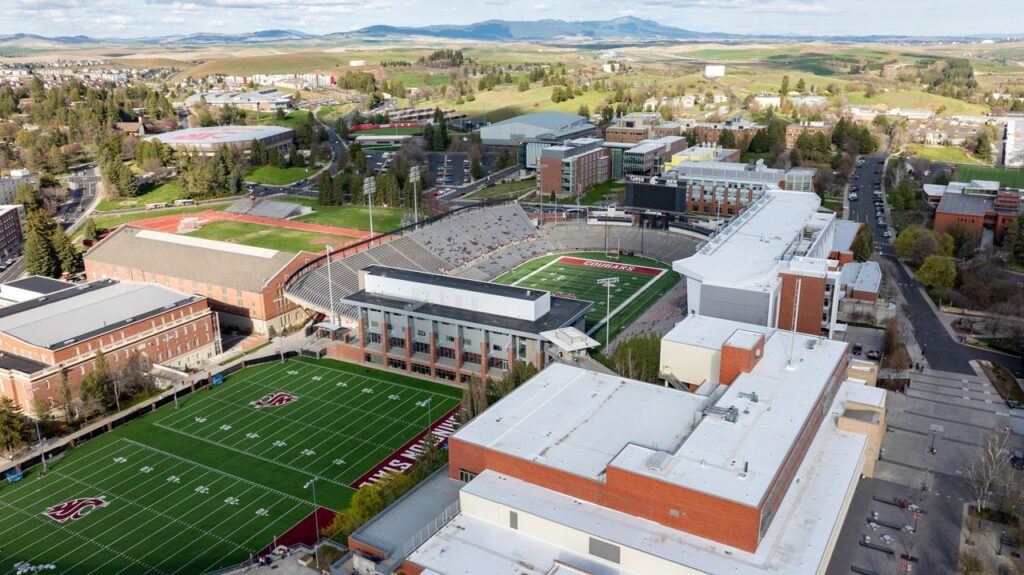
Growth is a word that gets tossed around a lot in college athletics. Budget increases, facility expansions, and conference realignment are often understood as the usual path forward for athletic departments. But I’ve started to question whether chasing constant growth is the healthiest approach for every program. Some schools might actually be better off focusing on their current strengths and stability, instead of pushing for expansion that might not fit their mission or community.
Why Athletic Departments Feel Pressured to Grow
Conversations with college administrators and coaches usually circle back to the same point: standing still feels like falling behind. Conference moves and arms races for bigger training centers create the sense that growth is the only real option. National TV contracts, wider exposure, and raised university profiles all seem to hang on joining the expansion trend and not getting left behind.
You can see why so many leaders feel the need to keep up. Bigger athletic programs are sometimes assumed to attract more applicants, more donations, and stronger name recognition. According to the NCAA, spending on college sports grew steadily for decades, with some Division I programs running on budgets that top $100 million a year. That comparison makes even a decade-old scoreboard feel dated by big-program standards. The story about what it takes to “compete” can drive less-resourced schools to keep dreaming bigger, even if it means taking on risk.
Still, not every school has access to the same resources or even the same aspirations. Private liberal arts colleges and regional public universities might never play for a national TV audience, but that hasn’t stopped some from pouring big dollars into chasing the next step anyway. The perceived race toward bigger and better can make it tough to know when enough is enough.
The Cost of Chasing Expansion
In my own experience, expansion rarely comes down to just cheering for new teams or building another field. Financial pressures follow quickly; scholarships, coaches’ salaries, travel budgets, compliance officers, and larger athletic training staffs all pile up. Many smaller schools face tough choices about where the money actually comes from. Sometimes it means moving money away from important academic programs. Other times, student fees climb or donor support pales in comparison to rising expenses.
There’s a flip side to the community impact as well. Growing a program can mean chasing wins and seeking validation outside your campus. That can create distance between athletes and the student body, or between the program and its local fans. Alumni can feel disconnected when traditions and league identities change after an expansion decision is made.
I’ve spoken with coaches who saw a quick jump to a higher division bring early excitement. But it also left a sense of loss. Rivalries faded, and the pressure to recruit at a higher level created a relentless cycle of turnover and stress. This feeling is more common than you might think, especially when expansion outpaces thoughtful planning.
What Standing Still Looks Like
Choosing to maintain a current size or division might sound odd to some, but I’ve seen cases where intentional stability had clear advantages. Some schools build strong traditions, form student athletes who excel all over campus, and develop tighter bonds within their communities by focusing on the right competitive fit instead of more exposure.
In these programs, coaches and athletes know they won’t be featured on ESPN. Instead, there’s a tight knit environment and the freedom to balance academics with athletics. I’ve talked with student athletes at small colleges who chose their school exactly for this balance, where expectations are manageable and the emphasis is on meaningful relationships within the team and the local community. Sometimes these athletes look back with more pride than those who played on a bigger stage—they feel like they belonged and weren’t just another number in a big program.
Budget predictability becomes a big win, too. Sticking with a sustainable model allows for longer-term planning and gives athletic directors the confidence that they can look after all their teams, not just a chosen few, without the constant fear of budget overruns or cuts in the future.
Questions Schools Should Ask Before Expanding
- Does growth match our school mission? It’s really important to think about whether expansion fits schoolwide goals, not just athletic ambitions.
- Are we financially prepared? Honest budget planning, including new fundraising and realistic returns, helps avoid surprise cuts or shortfalls down the road.
- How will expansion affect students? Will new teams or higher divisions mean athletes are missing more class or need extra academic support to keep up?
- Can we keep our existing community engaged? Expansion sometimes makes it tougher to maintain local interest or keep alumni engaged if traditions have to change.
- Do we have the staff to grow responsibly? Adding teams or moving up usually requires more compliance staff, athletic trainers, and mental health resources for studentathletes.
Mission and Identity Matter
Staying true to a school’s mission is a key factor. I’ve worked with schools that use athletics to build local pride rather than chasing national headlines. Those departments keep strong ties with families, schools, and fans right in their own community. This naturally builds a different kind of excitement than programs focusing on high profile competition.
Resource Gaps Add Real Pressure
Smaller schools, especially in Division II and III, face big gaps compared to Power Five programs. Travel costs, scholarships, and even basic gear can stretch thin budgets once expansion kicks in. Zeroing in on growth only where it actually supports the campus and its students can limit trouble down the road.
Benefits of Choosing Stability Over Expansion
- Long term sustainability: Financial resources can go towards improving the current athlete experience rather than being spread too thin.
- Stronger campus community bonds: Games and traditions become more than just about wins—they bring people together in lasting ways.
- Healthier athlete experience: Fewer travel demands and less mustwin pressure opens space for growth on and off the field, both academically and athletically.
- Lower risk of burnout for coaches and staff: Sticking at a level that fits the school’s means helps keep workloads and expectations fair and manageable.
I’ve watched schools that favor a slower, more measured approach build a healthier and happier environment. By saying no to every new opportunity, they find extra time for introspection, community events, and giving more energy to sports activities that already enjoy strong local support.
Common Myths About Growth in Athletic Departments
- Myth: Bigger always means better. Getting bigger doesn’t guarantee more wins, more name recognition, or even better facilities. In some cases, it just raises overall stress for students and staff.
- Myth: All schools should aim for Division I. Plenty of athletes at Division II, Division III, and NAIA institutions find deep competition and memorable college experiences without ever being featured on a national stage.
- Myth: Expansion pays for itself. Even with winning records or more media attention, many athletic departments run at a deficit. Careful research is critical when considering major expansion steps.
It’s important to bust the assumption that expansion is the only way to become relevant or successful. Some of the most positive college sports stories I’ve heard come from schools where people know each other by name, feel valued, and build real bonds—qualities that don’t always grow with a bigger budget or higher division.
How Programs Can Thrive Without Expanding
- Focus on culture and tradition. Schools can make campus life stronger by celebrating existing rivalries, getting fans involved, and organizing events that involve everyone.
- Invest in what works. Putting energy and funds into current teams’ facilities, staff, and services makes for a richer student athlete experience and attracts recruits who care about balance over flashiness.
- Encourage community activism. Athletic programs that coordinate service events or partner with local schools and charities nurture bonds that stick around much longer than any trophy does.
- Support academic and career growth. Prioritizing the student component of “student-athlete” helps keep the bigger picture top of mind for everyone involved in college sports.
- Share stories widely. Highlighting success stories about athletes and coaches in local and regional media keeps the focus on achievements and values that matter most at that school.
Frequently Asked Questions
Question: Does staying at a current competitive level hurt athletic recruiting?
Answer: Not always. I’ve seen plenty of athletes drawn to smaller programs because they prefer close relationships with coaches and value academic support. For some, the quality of their experience trumps the lure of a bigger stage.
Question: Can departments find new revenue without expanding?
Answer: Yes. Creative event planning, local sponsorships, and strong alumni ties can spark new revenue streams without changing divisions or adding sport offerings.
Question: How does stability help with mental health for athletes?
Answer: With less travel and lower pressure, athletes can spend more time on their classes, friendships, and selfcare—which reduces stress and burnout over their college career.
Question: What if the conference pushes for change?
Answer: Sharing your game plan openly with conference officials, peer schools, and stakeholders can help make the case for a steady strategy. Many conferences respect tradition and value stability as much as they do growth.
Final Thoughts
Every athletic department has its own goals and challenges. Deciding whether to grow or hold steady isn’t about outpacing other schools. It’s about knowing what makes sense for your athletes, your campus, and your whole community. By focusing on fit—whether through meaningful growth or steady stability—athletic programs can stay true to themselves and keep providing real value to their schools and hometowns well into the future. Sometimes, that’s the next-level cool thing to do.